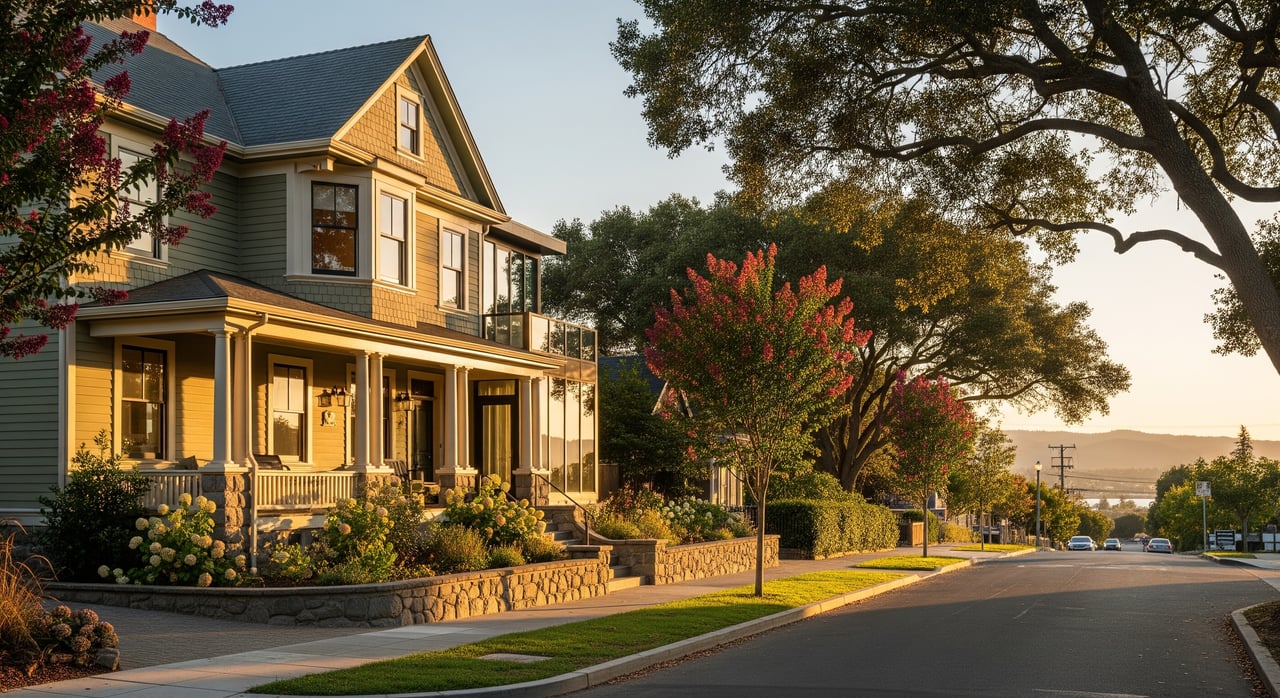
Ever picture yourself on a leafy street where downtown coffee, riverfront paths, and open space are minutes from your door? Choosing a neighborhood is a big decision, and West Petaluma often lands on the shortlist for its balance of charm and convenience. In this guide, you’ll learn what daily life looks like here, the homes you’ll find, how commuting works, and the tradeoffs to consider before you buy. Let’s dive in.
West Petaluma overview
West Petaluma generally refers to the neighborhoods west of the Petaluma River and the historic downtown core. For this guide, think of the area stretching from downtown out along D Street and Western Avenue toward rolling hills and regional open space. It feels quieter and more residential than the riverfront core, yet you still have quick access to shops, dining, and the river trail.
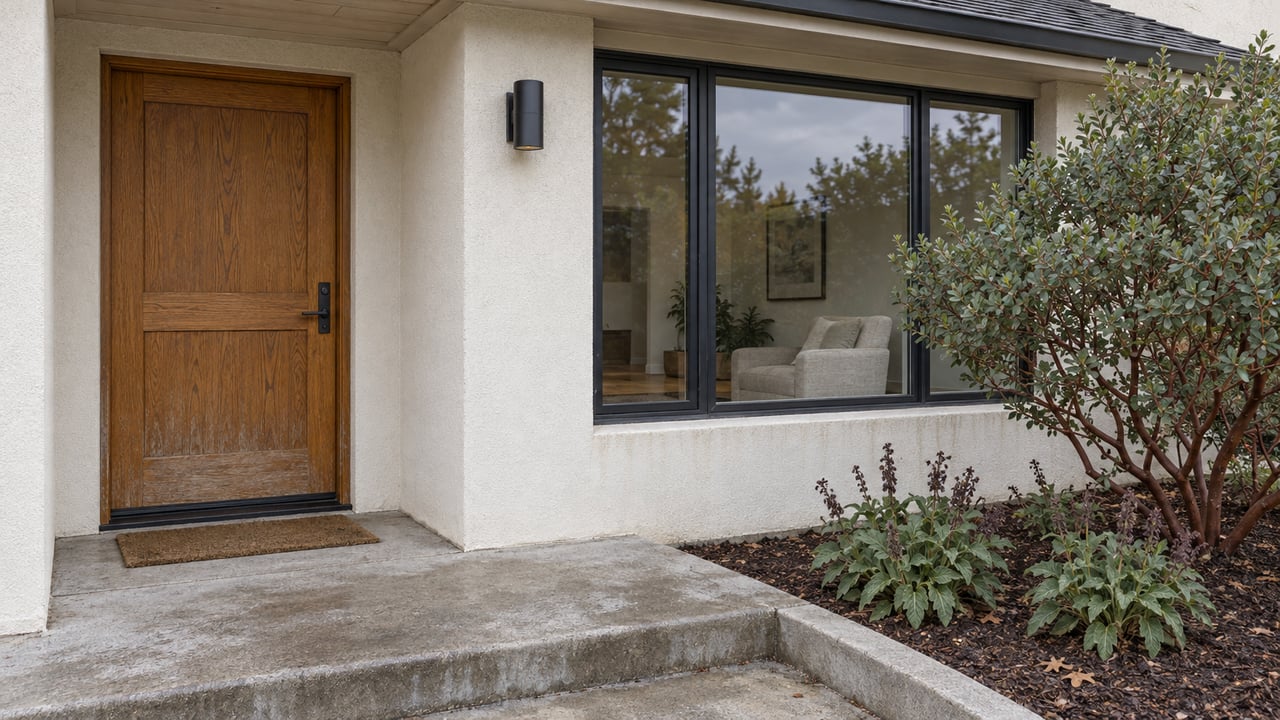
You’ll notice a mix of architectural eras. Historic Victorian and Craftsman homes sit near early 20th‑century infill, while mid‑century ranch houses and newer renovations fill out many blocks. Preservation efforts influence the character of older streets, which helps keep the neighborhood’s classic look while shaping how renovations are done.
Home styles and lots
Many buyers come to West Petaluma for the variety of homes and the sense of space. You can expect:
- Historic homes near downtown and the river. Victorian, Queen Anne, and Craftsman bungalows with period details.
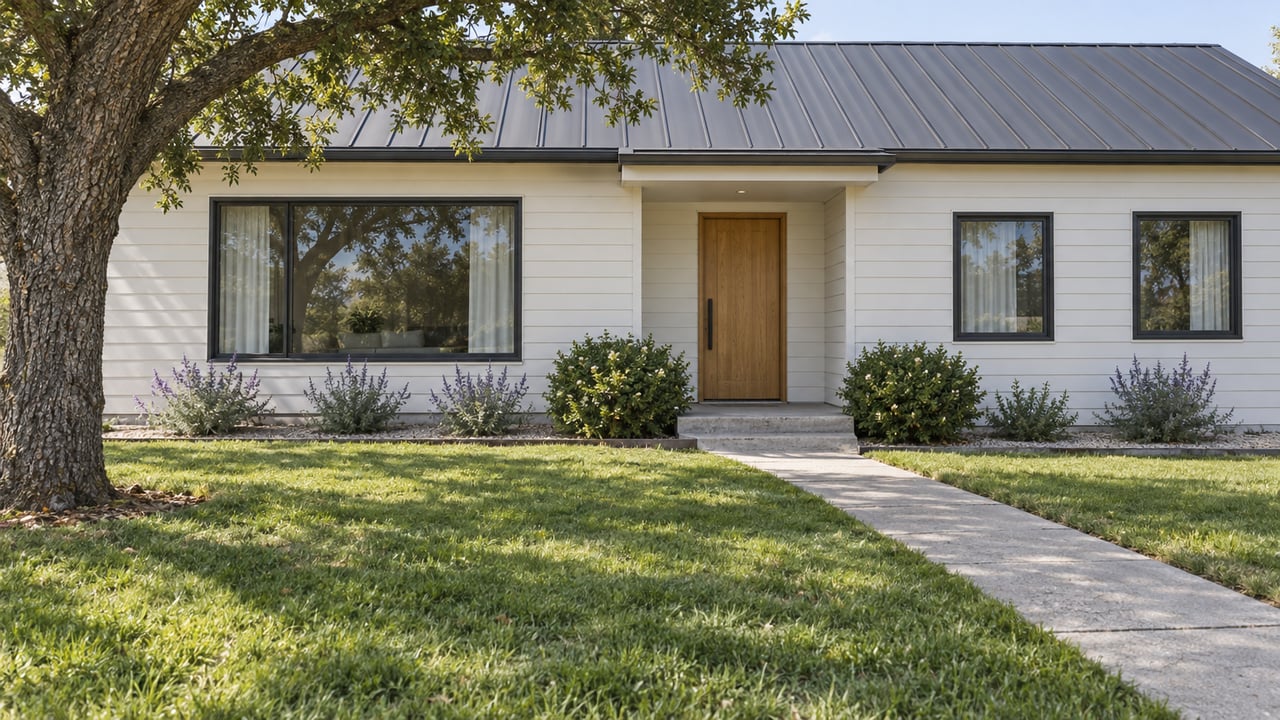
- Mid‑century and ranch houses. Mostly single story, often on modest lots in quiet residential areas.
- Townhomes and small multifamily pockets. Typically near main corridors and walkable retail.
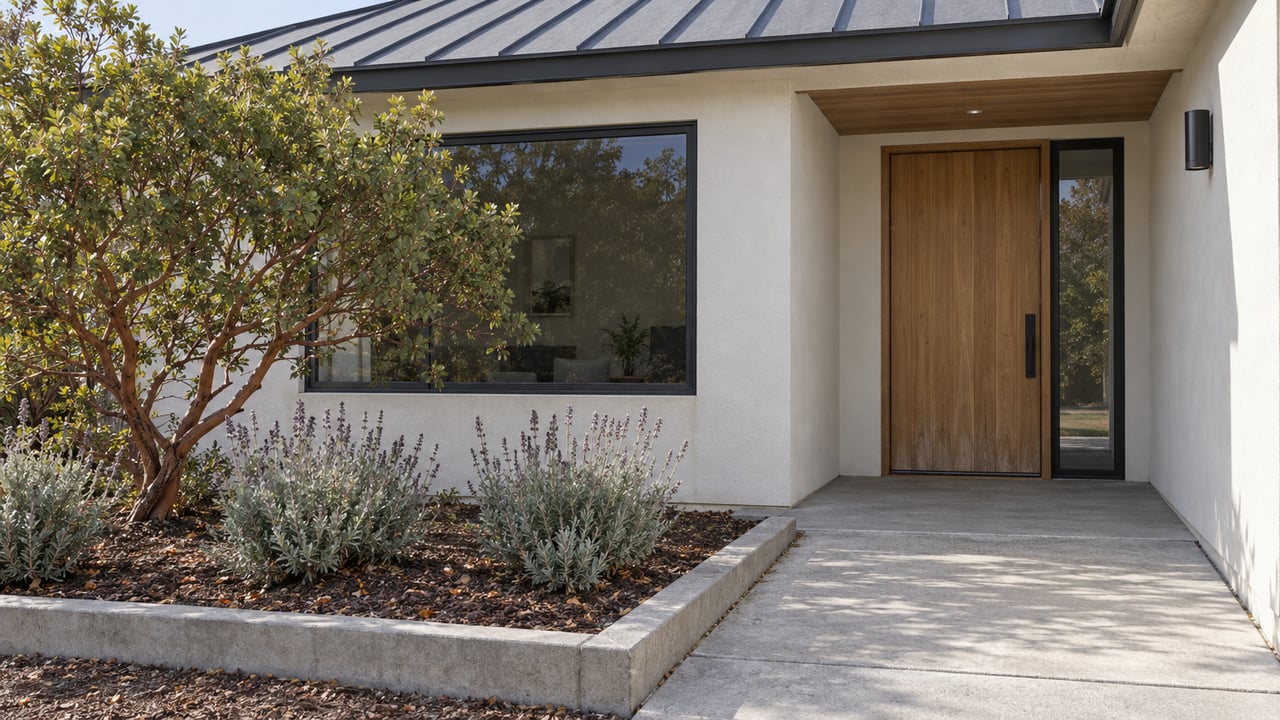
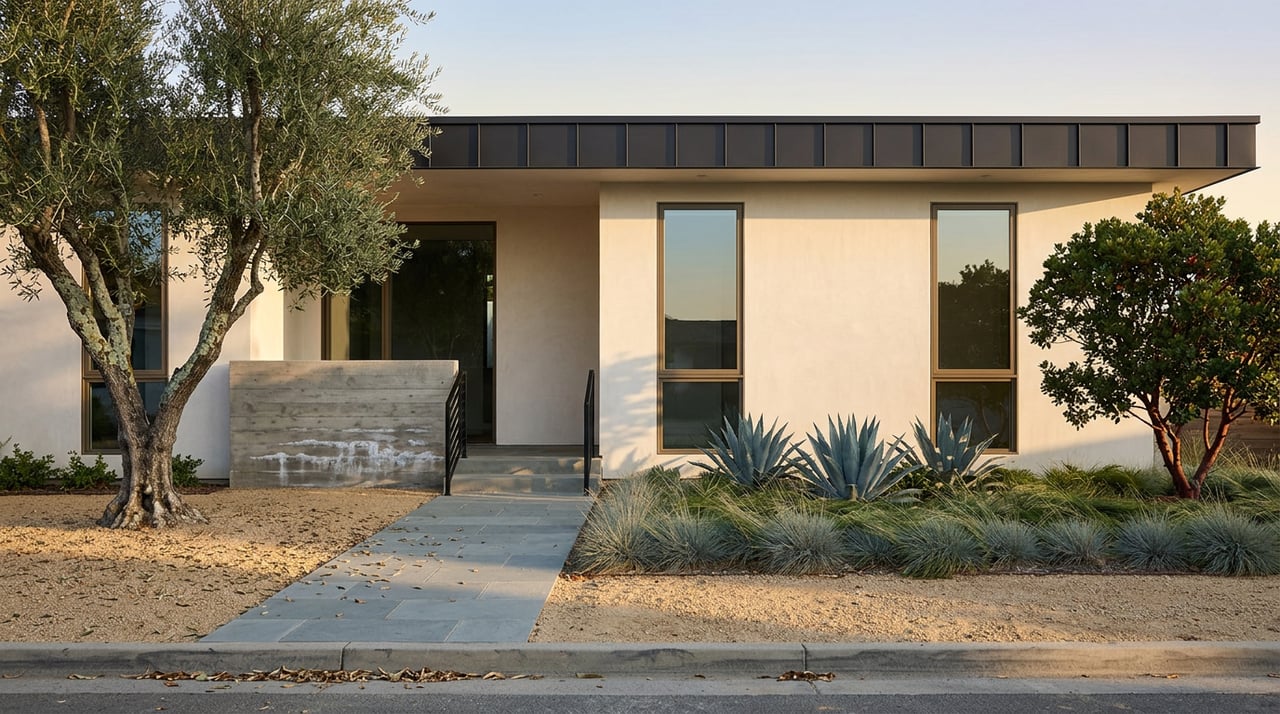
- Newer infill and renovated homes. Modern layouts and updated finishes where lots allowed redevelopment.
Lot sizes range from compact in the older grid to larger parcels near the edges of the neighborhood. Mature trees, gardens, and usable yards are common, which adds to the area’s relaxed, small‑town feel.
What influences price
Instead of memorizing a single median, focus on what drives value here. Prices generally track with broader Petaluma trends. The area is often more affordable than coastal Marin yet pricier than some inland Sonoma spots, and final pricing depends on:
- Historic vs. remodeled condition and the quality of work.
- Lot size, privacy, and outdoor usability.
- Micro‑location. Proximity to downtown, the riverfront, and favored streets.
- Layouts that fit modern living. Bedroom count, home office options, and indoor‑outdoor flow.
If you’re comparing options, review current MLS data and recent neighborhood sales with your agent. Ask for a property‑specific analysis that factors in age, condition, lot characteristics, and location.
Everyday life and amenities
Daily life in West Petaluma blends convenience and a strong sense of place. Many addresses are walkable or a quick bike ride to cafes, restaurants, services, and the river.
Downtown and dining
Petaluma’s historic downtown is an easy hop from much of West Petaluma. You’ll find independent restaurants, coffee shops, wine bars, craft breweries, boutiques, and personal services. The city’s farm‑to‑table culture is visible year‑round, with local producers and seasonal menus making dining out feel special but approachable. Check the Petaluma Downtown Association events calendar to plan weekends around markets, street fairs, and seasonal festivals.
Riverfront and trails
Access to the Petaluma River and nearby paths is a major perk. You can walk, run, birdwatch, or cycle along scenic stretches that connect to downtown and open spaces. For local parks, play fields, and trail updates, explore the City of Petaluma Parks and Recreation page.
Parks and open space
You’re close to neighborhood parks and a short drive to regional preserves. The hills west of town draw hikers and riders, and nearby regional destinations like Sonoma County Regional Parks include favorites such as Helen Putnam Regional Park for rolling trails and broad views.
Schools and family services
West Petaluma addresses are typically served by Petaluma City Schools and the Petaluma Joint Union High School District. Assignments can vary by block, so verify attendance areas with the district and confirm the latest metrics with state resources.
- Start with Petaluma City Schools for boundary maps and enrollment.
- Review current school performance data on the California Department of Education website. Visit campuses and talk with school staff to understand programs that match your needs.
Childcare, preschools, and extracurricular options are located in and around downtown and neighborhood centers. Families often choose West Petaluma for the convenience of getting to these services without long drives.
Getting around
One of West Petaluma’s strengths is its mix of transportation options for commuting within Sonoma County and toward Marin and San Francisco.
Driving
U.S. Highway 101 is the primary north–south corridor for trips to San Rafael, Santa Rosa, and other job centers. Traffic patterns change by time of day. Morning and evening peak windows can add time in the Marin direction, so check live commute estimates to set realistic expectations.
SMART rail and ferry link
The SMART train serves Petaluma and connects through Marin to Larkspur, where you can transfer to the ferry toward San Francisco. Many hybrid commuters use rail plus ferry to reduce driving. Confirm current stations and schedules on the SMART website, and pair that with Golden Gate Transit information for ferry and bus connections.
Regional buses
Commuter and local routes are available through regional providers. Frequency and directness vary by time of day, so review schedules before you rely on a bus for daily travel.
- Marin and ferry connections: Golden Gate Transit
- Sonoma County routes: Sonoma County Transit
Biking and walking
Many blocks in West Petaluma offer good walkability to downtown, river paths, and neighborhood services. Bike commuting is feasible for nearby trips and recreational riding on regional routes. Walkability varies block by block, so evaluate your specific address and route.
Tradeoffs and planning notes
Every neighborhood has tradeoffs. In West Petaluma, the big ones to understand early are floodplain factors, historic review for renovations, and general permitting for new work.
Floodplain and insurance
Low‑lying areas near the river can fall within FEMA flood zones. Some properties may require flood insurance and might have a flood history. Before you write an offer, review the property’s flood status and any past disclosures.
- Use the FEMA Flood Map Service Center to check the address.
- Ask your insurance advisor for quotes and coverage details based on the exact zone.
- For regional planning context and long‑term flood management, consult county flood resources and local watershed plans. Your agent can help you find the relevant documents for a given address.
Historic review and renovations
Petaluma’s preservation framework helps maintain the character of historic areas. If you are planning exterior changes on a contributing property or in a historic district, you may be subject to design review and specific guidelines. Start with the City of Petaluma Planning Division to understand requirements and timelines before designing major work.
New construction, ADUs, and permits
ADUs, lot splits, and infill development are common topics in the North Bay. Zoning and process details change over time. Check with the Planning Division for what is allowed on your lot, permit steps, and typical fees in Petaluma. The right pre‑planning can save months on project timelines.
Safety and data
Perceptions of safety are personal and can shift as cities grow. For the most current picture, review recent reports through the Petaluma Police Department and regional crime‑mapping tools. Compare several months of trends rather than a single snapshot.
A weekend snapshot
Imagine a Saturday that starts with coffee near downtown, followed by a riverfront walk where you see herons, kayakers, and neighbors out with dogs. Late morning, you swing by the farmers market, then meet friends for lunch and a browse through local boutiques. In the afternoon, you head for a mellow hike in the hills. That evening, you return to downtown for dinner and live music. To plan your calendar, check the Petaluma Downtown Association events for seasonal highlights and community gatherings.
Who loves living here
People who choose West Petaluma often want a residential, historic‑town feel with easy access to amenities. You might be a remote professional who values quiet streets and a fast run to downtown. You might be a household that wants a yard, nearby parks, and routes for biking and walking. Downsizers also gravitate here for classic architecture and a low‑key, connected lifestyle.
How Cozza Team can help
If West Petaluma is on your list, a smart plan will make the difference. We help you clarify wants and needs, screen homes for flood and permit history, and navigate historic or renovation questions with the city. For sellers, we pair a premium marketing plan with Compass tools like Concierge to fund value‑add improvements that can boost presentation.
Our approach is service‑first and risk‑aware. Sellers appreciate our one‑day listing cancellation and strategic pricing guidance. Buyers rely on our off‑market access, competitive offer strategy, and negotiation support when the right home appears. When you are ready, we will map out the steps for your move and keep your outcome front and center.
Ready to explore West Petaluma with a local, Compass‑powered team at your side? Reach out to schedule your free, no‑obligation home consultation.