Thinking about adding a backyard cottage or converting your garage in Sebastopol? You are not alone. ADUs are popular for multigenerational living, rental income, and boosting property flexibility across Sonoma County. Yet the rules can feel complex when you start planning. In this guide, you will learn practical ADU basics, how Sebastopol’s process typically works, and smart steps to avoid delays and surprises. Let’s dive in.
ADU basics in California
An accessory dwelling unit is a secondary home on the same lot as a primary residence. Common options include:
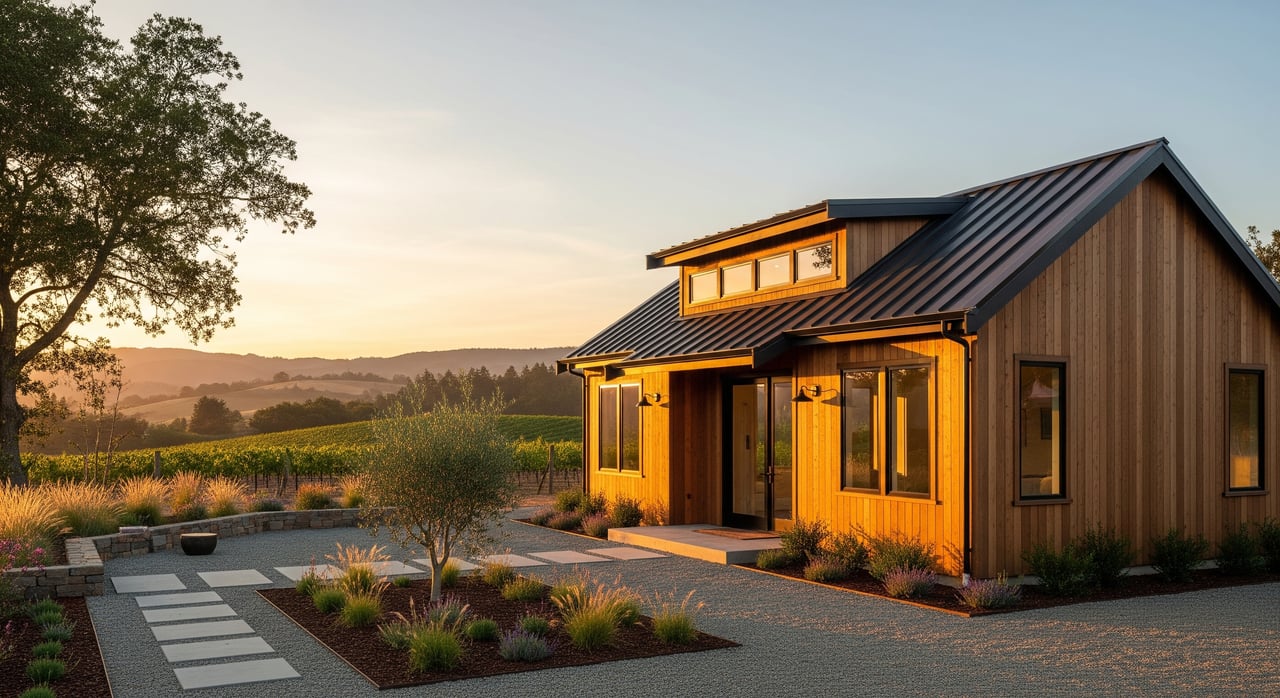
- Detached ADU, a separate small home in the yard.
- Attached ADU, an addition connected to the main house.
- Conversion ADU, a garage, basement, or portion of the home converted to a separate unit.
- Junior ADU, also called a JADU, a unit within the primary home up to 500 square feet that shares an entrance.
State law streamlines many ADUs if you meet objective standards. Most qualifying projects receive ministerial review, which means no public hearing and clear timelines once your application is complete. Size limits often include up to 1,200 square feet for detached ADUs, while JADUs are capped at 500 square feet. Local ordinances can refine size, height, and design, so confirm current standards with the City of Sebastopol.
Setbacks and height are also guided by state rules. New detached ADUs commonly benefit from reduced side and rear setbacks, often around 4 feet, with height set by local zoning. Parking rules are narrowed under state law and many properties qualify for reduced or waived parking, especially near transit or where on‑street parking conditions apply. Impact fees are limited for smaller ADUs in some cases, and recent statewide changes have eased local owner‑occupancy rules for many ADUs. Short‑term rental rules may be different from long‑term rentals, so confirm those separately before you plan a rental strategy.
Every ADU must meet building, fire, and health codes. In Sonoma County, that includes wildfire safety, energy compliance, and any septic or water requirements. Expect a building permit after planning clearance, along with inspections during construction.
What Sebastopol typically allows
Sebastopol is an incorporated city, so the City of Sebastopol sets ADU zoning and review standards. If your design meets objective rules for size, height, setbacks, and design, your ADU may qualify for ministerial approval without a public hearing. If you need variances, are in a special overlay, or propose features that do not meet objective standards, the city may require design review.
A smart first step is a pre‑application conversation with the Planning Division. This helps you confirm zoning, identify design requirements, and understand parking expectations. It also surfaces site constraints early, such as trees, drainage, or fire access.
Plan on a two‑part process: planning and zoning clearance followed by building permits. If your project includes grading, septic changes, or tree work, you will likely need additional permits and reviews.
Local triggers to check early
Sebastopol has unique neighborhood and environmental conditions. Before you finalize a layout, check these common triggers:
- Historic resources. Some areas or properties may have added design care and review.
- Tree protection. Mature trees can affect placement and may require reports or mitigation.
- Lot coverage and floor area. Total footprint and livable area caps can shape your design.
- Septic or wells. Outside of sewer service, septic capacity and separation to wells are critical.
- Fire safety. Access, materials, and defensible space standards apply in high fire areas.
Confirm these topics in your pre‑application so you can design once and avoid costly rework.
Parking and driveway realities
State law narrows how much parking a city can require for an ADU. In practice, Sebastopol’s narrow streets and older lots can make on‑site spaces tough. Driveway widths, curb cuts, and on‑street parking may be regulated. If a dedicated stall would require removing protected trees or a major curb change, you may be eligible for a waiver. It helps to document transit proximity, bike access, or existing street parking conditions when you apply.
Utilities, sewer, and septic considerations
If your home is connected to city water and sewer, you will follow local hookup procedures and pay any applicable connection fees. Where properties rely on septic or a private well, county health and permitting staff review the system’s capacity. A new ADU can trigger a septic upgrade or require specific layout changes to maintain required distances. Plan for electrical and gas needs as well. Some projects require panel upgrades or separate metering if you plan to rent the ADU.
Fire and defensible space
ADUs must meet local fire code and defensible space requirements. This can influence where you place the unit, how you landscape, and the materials you use. Access for emergency vehicles is also evaluated. If your property lies within a high fire severity zone, expect added attention to ignition‑resistant construction and vegetation management.
Typical timeline and process
Actual timing depends on your scope, documents, and site conditions, but here is a typical path.
- Pre‑application and early checks: about 2 to 6 weeks
- Planning and zoning review for a complete ministerial ADU: about 30 to 60 days
- Building permit plan check and corrections: about 2 to 12 weeks
- Construction: a few months for a small conversion or JADU, 6 to 12 months or more for a new detached unit
Additional reviews for septic, fire, trees, or historic conditions can extend timelines. You will also schedule inspections during construction, just like any other building project.
Cost categories to expect
Every site is different, so avoid relying on generic per‑square‑foot figures. Budget across these common categories:
- Application and plan check fees, including planning intake and building review
- Permit and connection fees, such as water or sewer hookups when applicable
- Consultant costs, like architectural plans, structural engineering, septic reports, tree assessments, and energy documentation
- Construction, including site work, utilities, and finishes
State rules may reduce some impact fees for smaller ADUs, often below a size threshold, but you should still budget for permit and connection costs. Your designer and contractor can help refine estimates once you have a clear plan and site data.
JADUs and conversions for speed
If your priority is timeline and cost control, consider a conversion or a JADU.
- Conversion ADUs reuse existing space, like a garage or basement, which often reduces structural work and site disturbance.
- JADUs are contained within the primary house and capped at 500 square feet, typically offering the fastest path to adding a separate living space.
Both options can simplify parking and utility challenges compared to a brand‑new detached structure.
Common pitfalls to avoid
- Incomplete applications. Missing site plans, surveys, or septic records can stall review.
- Septic and well surprises. Do not assume utility availability or capacity. Verify early.
- Tree and design conflicts. Protected trees or historic design rules can force a redesign.
- Parking and driveways. New curb cuts or widened driveways may face public works limits.
- Fire access and defensible space. Make sure layout, materials, and landscaping pass review.
- Overconfident rental assumptions. Short‑term rental rules and occupancy limits can affect income plans. Confirm the rules first.
Rental and ownership considerations
Recent state changes have eased owner‑occupancy rules for many ADUs, and long‑term renting is generally allowed. Short‑term rental rules are separate and can change, so verify what is currently permitted in Sebastopol before you market an ADU as a vacation rental. For taxes and insurance, consult your accountant and insurer early so you understand operating costs before you build.
How to get started in Sebastopol
Use this simple, homeowner‑friendly sequence to move forward with confidence:
- Gather records. Locate your recorded site plan, septic or sewer documents, and any past permits.
- Book a pre‑application. Meet with the Planning Division to confirm zoning, setbacks, and design expectations.
- Confirm utilities. If on septic or a well, get records and schedule any required evaluations.
- Choose your path. Decide between a conversion, attached ADU, detached ADU, or a JADU based on goals and budget.
- Assemble your team. Hire a designer and, for new structures, a structural engineer. Line up an experienced builder.
- Plan for parking and access. Map feasible parking, driveway changes, and fire access early.
- Prepare submittals. Complete site plans, floor plans, elevations, and energy documentation. Submit a complete package to avoid delays.
- Budget and schedule. Include permit fees, connection fees, consultant costs, and a contingency for site surprises.
How Cozza Team helps you make the right move
Whether you want to build an ADU where you live or buy a Sebastopol property with ADU potential, you deserve clear guidance. Our team studies local zoning patterns, typical review timelines, and practical site constraints like trees, parking, and septic. We help you weigh options, compare neighborhoods, and assess resale value so your plan fits both your lifestyle and your financial goals.
If you are selling, we can position your property’s ADU potential with premium marketing and clear buyer information. If you are buying, we can target lots and layouts that support your preferred ADU type, then negotiate terms that protect your timeline. Ready to talk through your plan? Connect with Cozza Homes Inc. for a free, no‑pressure consultation.
FAQs
Am I allowed to build an ADU on my Sebastopol property?
- Many residential lots can add an ADU if the design meets objective standards; start with a pre‑application meeting to confirm your zoning and site limits.
How big can an ADU be in Sebastopol?
- State rules often allow detached ADUs up to 1,200 square feet and JADUs up to 500 square feet, but local size, height, and design standards apply; verify current limits with the City.
Do I need a public hearing for an ADU in Sebastopol?
- If your project meets objective standards, it typically qualifies for ministerial approval without a hearing; projects needing variances or in special overlays may require design review.
How much parking is required for an ADU in Sebastopol?
- State law narrows parking requirements and many properties qualify for reduced or waived parking based on site conditions and transit proximity; confirm during pre‑application.
What if my property uses a septic system or a private well?
- County health and permitting staff will review capacity and separation distances; an ADU can trigger a septic upgrade, so verify early before finalizing design.
How long does ADU permitting and construction take?
- Plan on a few months for conversions or JADUs and 6 to 12 months or more for new detached units, plus 30 to 60 days for planning review once your application is complete.
What fees should I expect for an ADU in Sebastopol?
- Budget for planning and building plan checks, permits, possible water or sewer connections, and consultant costs; some impact fees may be reduced for smaller ADUs.
Can I rent my ADU short‑term in Sebastopol?
- Long‑term renting is generally allowed, while short‑term rental rules are separate and can change; verify the current policy before you proceed.
Will adding an ADU affect my property taxes?
- Improvements can affect taxes, so consult a tax professional to understand how local assessments may apply to your project.
What is the first step to build an ADU in Sebastopol?
- Schedule a pre‑application with the City’s Planning Division to confirm standards and gather site records, then assemble a design and construction team for a complete submittal.